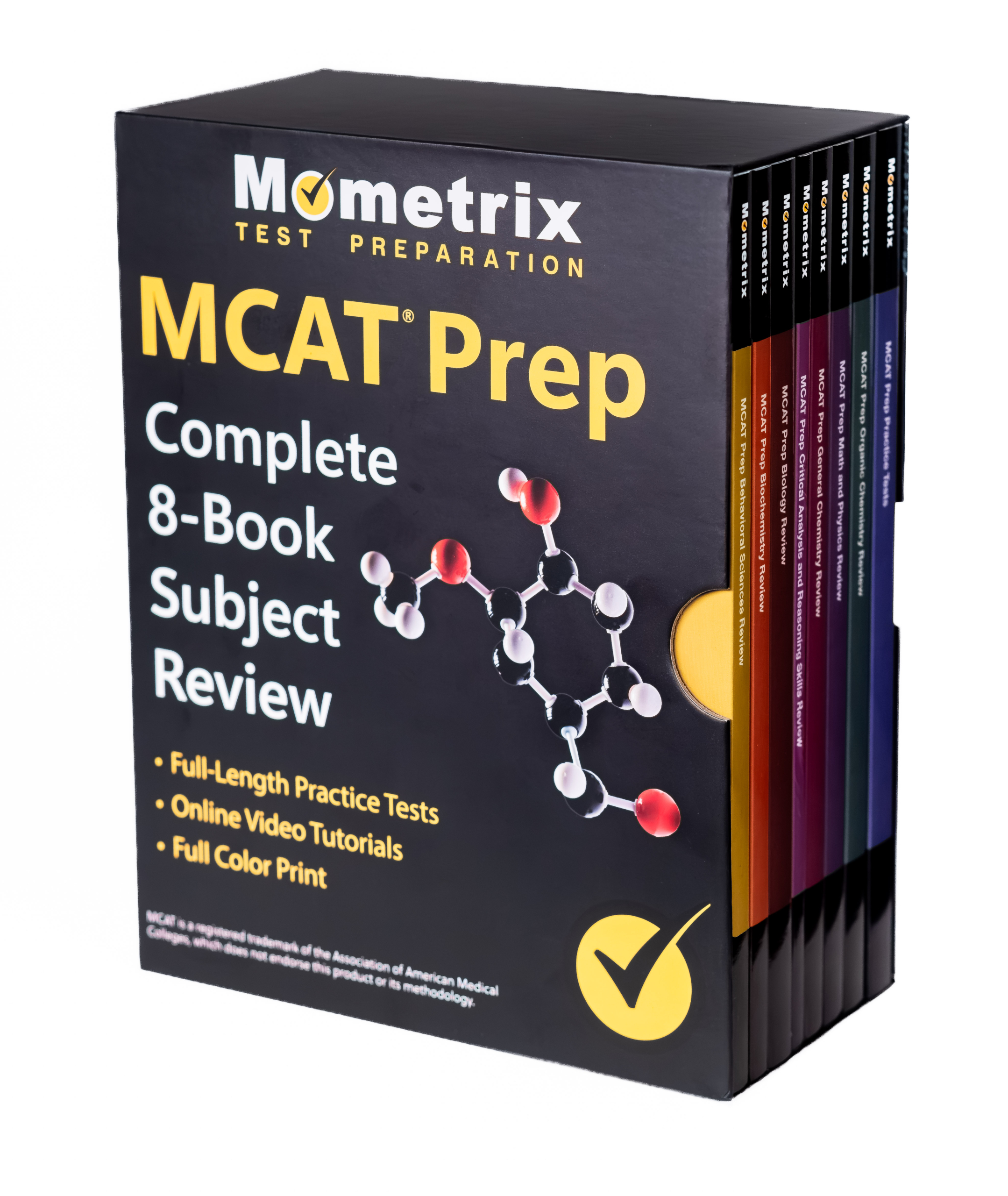
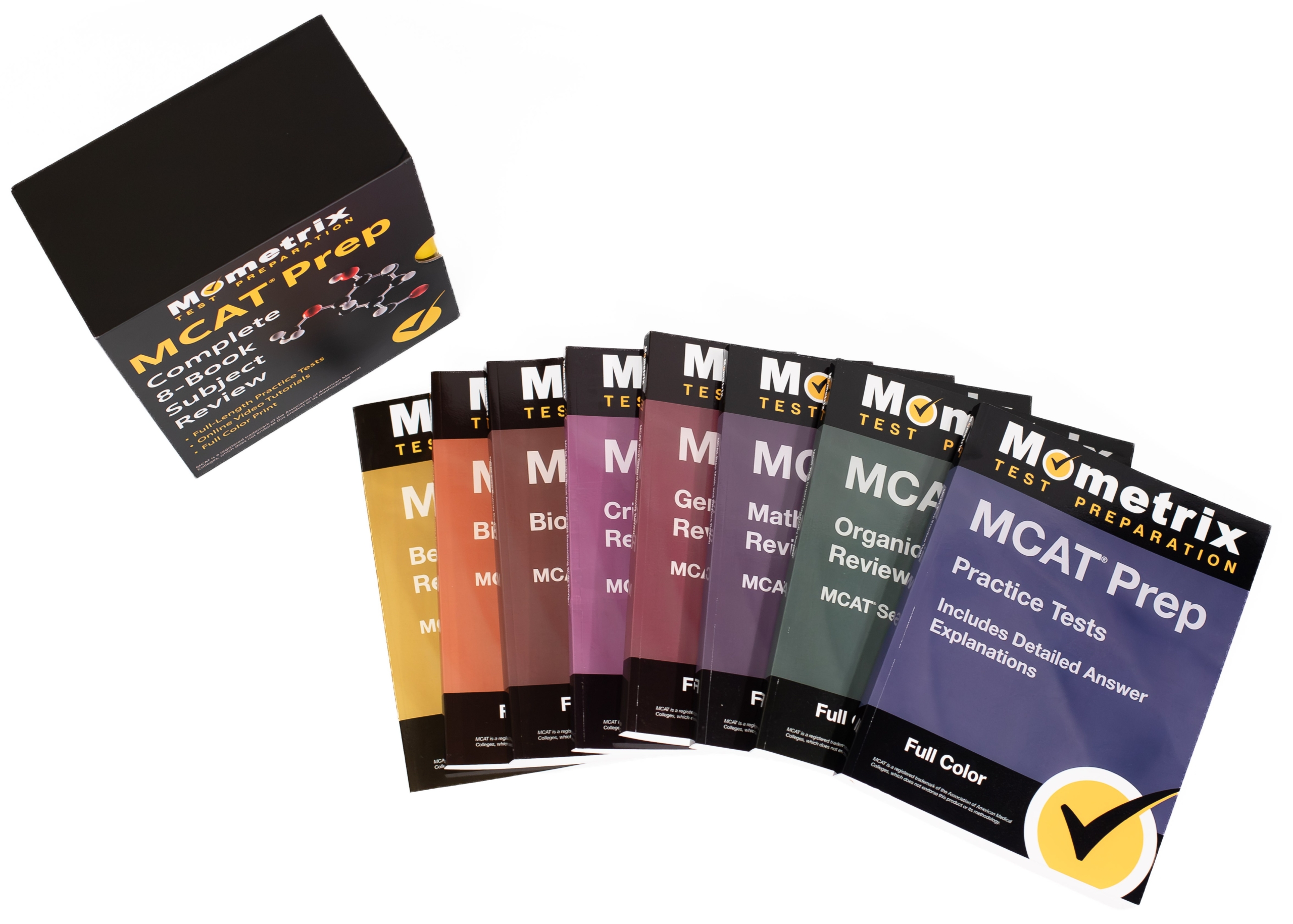
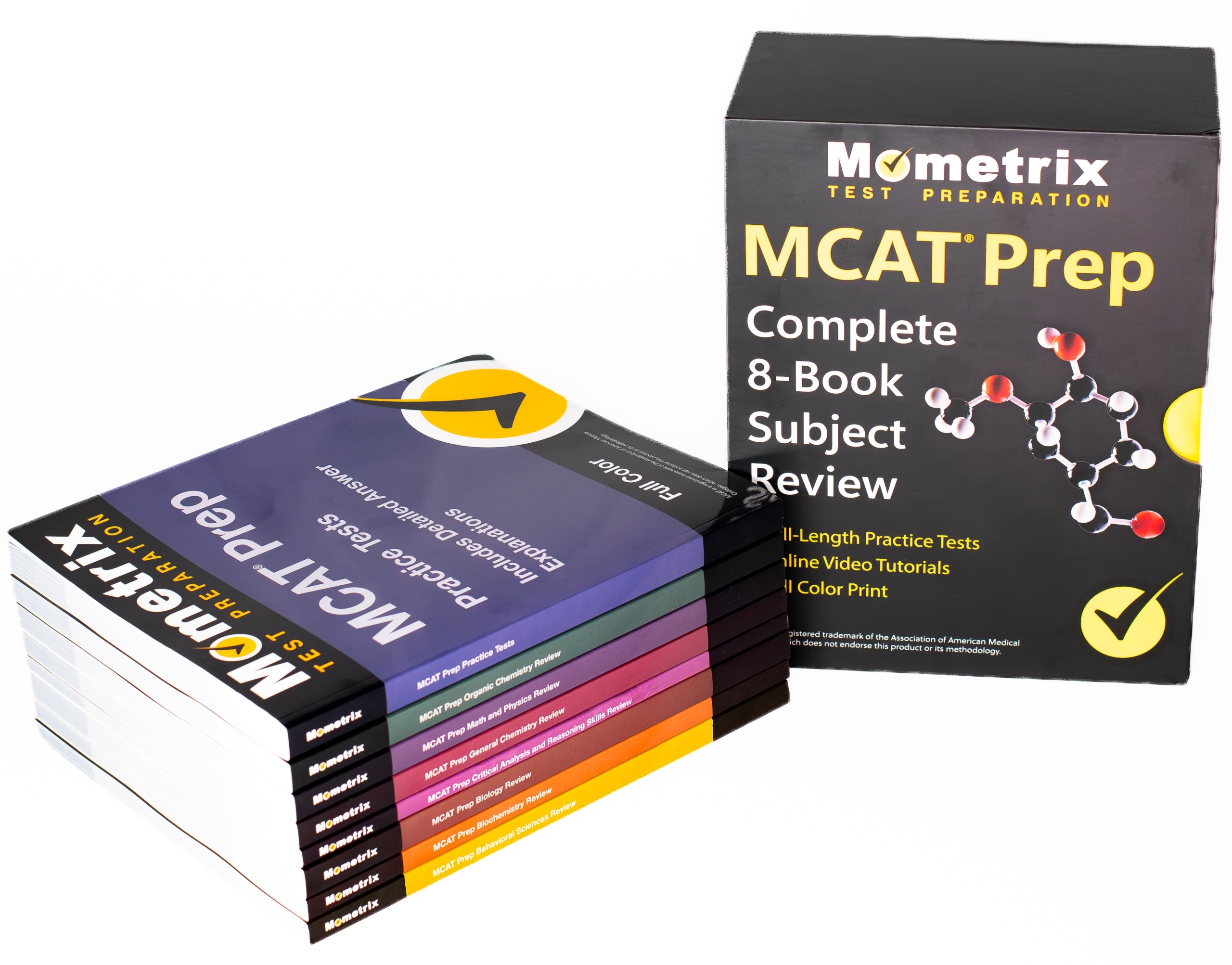
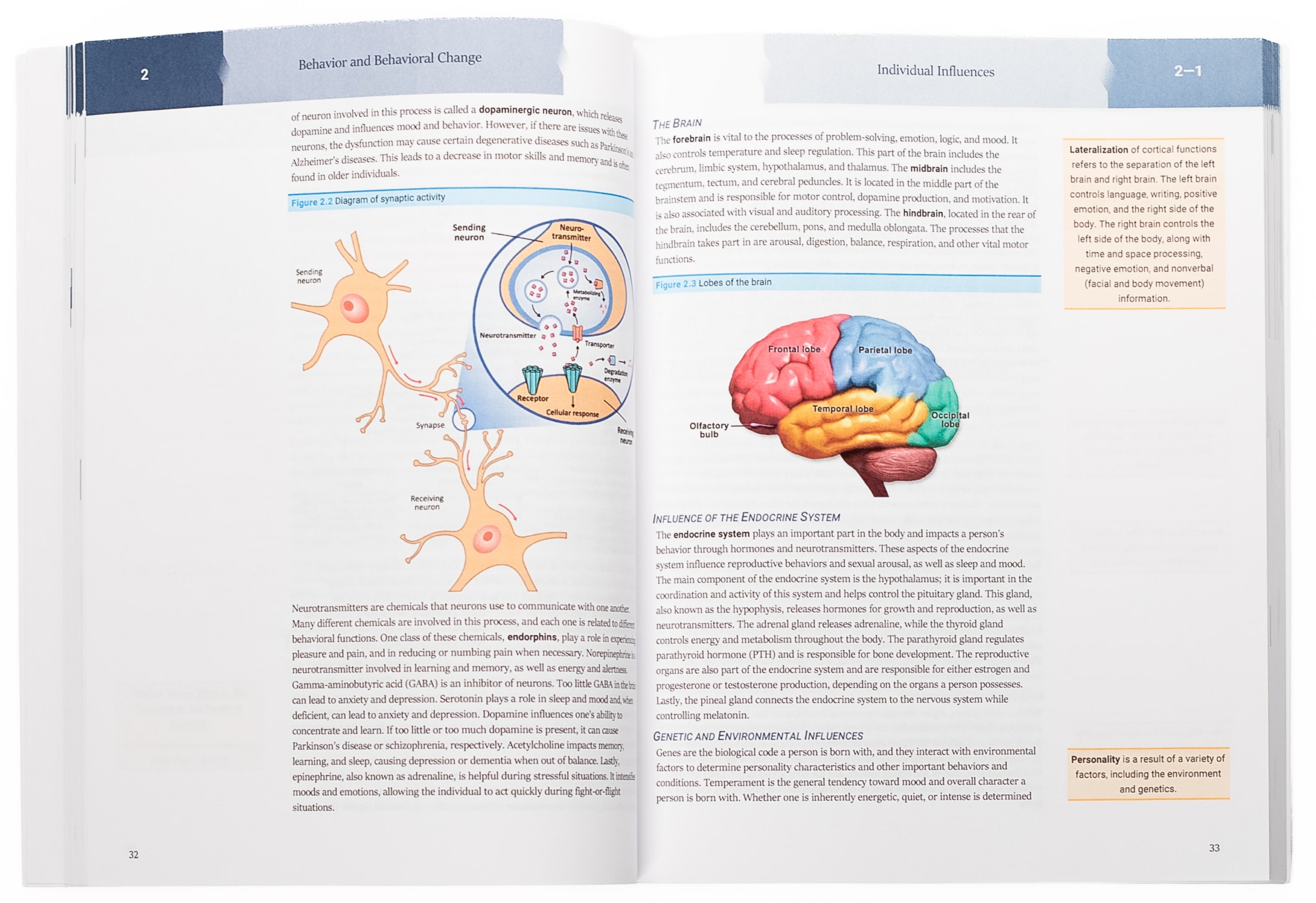
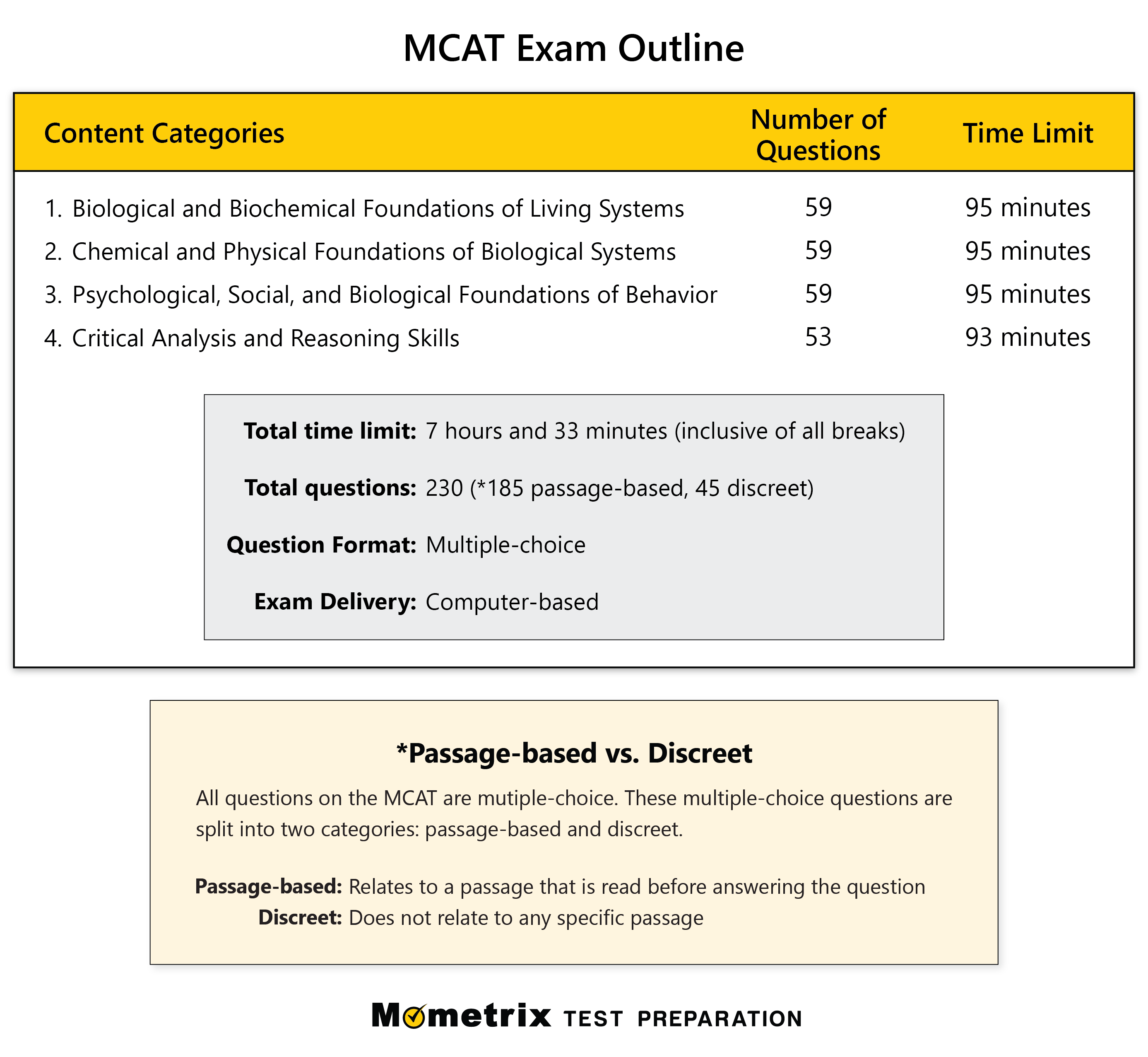
There are four sections on the MCAT. Three sections contain 59 questions, while the Critical Analysis and Reasoning Skills section contains 53.
Biological and Biochemical Foundations of Living Systems: These questions are devoted to assessing your understanding of the basic processes that foster life.
Chemical and Physical Foundations of Biological Systems: These questions assess your knowledge and understanding of basic physical and biological science.
Psychological, Social, and Biological Foundations of Behavior: These questions assess your understanding of behavioral and sociocultural determinants and how they affect health outcomes.
Critical Analysis and Reasoning Skills: These questions are rooted in the social sciences and humanities.
All of the questions on the MCAT are multiple-choice and are either passage-based questions or discrete questions.
Passage-based questions are related to a passage you read before answering the question. Discrete questions are not tied to a specific passage.
MCAT Outline
Check out Mometrix's MCAT Study Guide
Get practice questions, video tutorials, and detailed study lessons.
Over the last year, we’ve compiled the data from nearly 5,000 test-takers who tried their hand at the practice test at the top of this page. According to the data, around 80% of people answered these five questions incorrectly.
Answer each question and read through the answer explanation, whether you got the answer right or wrong. This will help you ensure you’ve got the topic mastered.
Whether you struggled with these questions or aced them on your first try, be sure to take the full practice test to get a better idea of how prepared you really are!
Hardest Question
Only 26% answered correctly
1. Read the passage below before answering the question:
Excerpt from Concerning the Spiritual in Art by Wassily Kandinsky
It is no common thing to find an artist who, even if he be willing to try, is capable of expressing his aims and ideals with any clearness and moderation. Some people will say that any such capacity is a flaw in the perfect artist, who should find his expression in line and colour, and leave the multitude to grope its way unaided towards comprehension. This attitude is a relic of the days when "art pour l'art" was the latest battle cry; when eccentricity of manner and irregularity of life were more important than any talent to the would-be artist; when every one except oneself was bourgeois.
The last few years have in some measure removed this absurdity, by destroying the old convention that it was middle-class to be sane, and that between the artist and the outer-world yawned a gulf which few could cross. Modern artists are beginning to realize their social duties. They are the spiritual teachers of the world, and for the teaching to have weight, it must be comprehensible. Any attempt, therefore, to bring artist and public into sympathy, to enable the latter to understand the ideals of the former, should be thoroughly welcome; and such an attempt is this book of Kandinsky's.
The author is one of the leaders of the new art movement in Munich. The group of which he is a member includes painters, poets, musicians, dramatists, critics, all working to the same end—the expression of the SOUL of nature and humanity, or, as Kandinsky terms it, the INNER KLANG.
Perhaps the fault of this book of theory—or rather the characteristic most likely to give cause for attack—is the tendency to verbosity. Philosophy, especially in the hands of a writer of German, presents inexhaustible opportunities for vague and grandiloquent language. Partly for this reason, partly from incompetence, I have not primarily attempted to deal with the philosophical basis of Kandinsky's art. Some, probably, will find in this aspect of the book its chief interest, but better service will be done to the author's ideas by leaving them to the reader's judgement than by even the most expert criticism.
The power of a book to excite argument is often the best proof of its value, and my own experience has always been that those new ideas are at once most challenging and most stimulating which come direct from their author, with no intermediate discussion.
The task undertaken in this Introduction is a humbler but perhaps a more necessary one. England, throughout her history, has shown scant respect for sudden spasms of theory. Whether in politics, religion, or art, she demands an historical foundation for every belief, and when such a foundation is not forthcoming she may smile indulgently, but serious interest is immediately withdrawn. I am keenly anxious that Kandinsky's art should not suffer this fate. My personal belief in his sincerity and the future of his ideas will go for very little, but if it can be shown that he is a reasonable development of what we regard as serious art, that he is no adventurer striving for a momentary notoriety by the strangeness of his beliefs, then there is a chance that some people at least will give his art fair consideration, and that, of these people, a few will come to love it as, in my opinion, it deserves.
Why does the writer fault Kandinsky’s writing for its verbosity?
The writer of the passage states at the start of paragraph 4 that the wordiness will result in poor understanding of the work and leave it subject to attack. Choice A is incorrect. At the end of paragraph 4, the writer suggests that its philosophical bent may make it of more value to some. Choice B and Choice C are incorrect. Both are statements made within the text, but they are not driven by the verbosity of Kandinsky’s text.
2. Read the passage below before answering the question:
Experiencing emotion is exceptionally complex, and it is not completely understood. Many early psychologists have studied emotions and created theories about their function, origin, and meanings. From a biological perspective, it is now known that a significant number of our emotions rely on the structures of the limbic system. The limbic system, which is located in the center of the brain, is a group of structures that are related to emotional functions and memory.
Much concerning the functions of the limbic system has been illuminated by surgeons stimulating areas in it and having their patients describe their immediate emotional responses. Additionally, people with damage to specific structures in the limbic system appear to lose certain emotional traits or motivation. Aside from being responsible for emotions, the limbic system appears to be important in motivation and in the conversion of short-term memories into long-term memories.
Which theory of emotion coincides with the following statement:
“I’m scared and my heart rate increased because I saw a spider. Therefore, I’m going to leave this room.”
Cannon-Bard theory is the correct answer because it states that cognitive and physiological components of emotion occur simultaneously and are followed by a behavior or action. Choice A, James-Lange theory, is incorrect because it states that physiological arousal is the first result of a stimulus, which leads to the perceived emotion. Choice C, Schachter-Singer theory, is incorrect because it states that arousal and the labelling of arousal must occur in order for an emotion to occur. Choice D, instinct theory, is incorrect because it is a theory of motivation.
3. Read the passage below before answering the question:
Hemoglobin and myoglobin are well-studied and well-understood proteins. Oxygen has very low solubility in blood, so it must be carried to tissues by hemoglobin and myoglobin. Hemoglobin is an iron-containing protein that can carry oxygen from the lungs when the oxygen binds to the heme group at the hemoglobin molecule's center. Adult hemoglobin (HbA) is a tetrameric protein complex containing a heme group in each subunit. Fetal hemoglobin (HbF), like adult hemoglobin, is a tetramer that carries oxygen in blood. Myoglobin (Mb) is a monomeric protein often found in muscle tissue. Its function is to store oxygen.
Oxygen saturation of adult and fetal hemoglobin, along with myoglobin, has been heavily studied. These studies have shown that myoglobin is most easily saturated by oxygen, while fetal hemoglobin is more easily saturated with oxygen than adult hemoglobin. It is also known that each of the oxygen-carrying complexes has a higher affinity for oxygen when the partial pressure of oxygen is increased.
Under conditions of extremely high partial pressure of oxygen (above 120 mmHg), which of the following would have the highest level of oxygen saturation?
Affinity for oxygen increases as the partial pressure of oxygen increases. When the partial pressure of oxygen is high enough, at near 100 mmHg, all of the oxygen-carrying complexes are fully saturated with oxygen.
4. Read the passage below before answering the question:
Hemoglobin and myoglobin are well-studied and well-understood proteins. Oxygen has very low solubility in blood, so it must be carried to tissues by hemoglobin and myoglobin. Hemoglobin is an iron-containing protein that can carry oxygen from the lungs when the oxygen binds to the heme group at the hemoglobin molecule's center. Adult hemoglobin (HbA) is a tetrameric protein complex containing a heme group in each subunit. Fetal hemoglobin (HbF), like adult hemoglobin, is a tetramer that carries oxygen in blood. Myoglobin (Mb) is a monomeric protein often found in muscle tissue. Its function is to store oxygen.
Oxygen saturation of adult and fetal hemoglobin, along with myoglobin, has been heavily studied. These studies have shown that myoglobin is most easily saturated by oxygen, while fetal hemoglobin is more easily saturated with oxygen than adult hemoglobin. It is also known that each of the oxygen-carrying complexes has a higher affinity for oxygen when the partial pressure of oxygen is increased.
Which of the following is a possible result of the activation of the sympathetic nervous system?
The sympathetic nervous system activates responses to stress. Piloerection, meaning hairs standing up, is a common response to stressors like shock, fright, or cold. Choice A, constricted pupils, is incorrect because it is a parasympathetic response to relaxation. Choice B, bladder contraction, is incorrect because the parasympathetic nervous system regulates bladder contraction for urination. Choice C, stimulation of peristalsis, is incorrect because digestion occurs mostly when the body is at rest. Therefore, because peristalsis occurs when resting, stimulation of peristalsis is a parasympathetic response.
5. Read the passage below before answering the question:
The human nervous system is composed of two main parts: the central nervous system and the peripheral nervous system. The primary functions of the nervous system are sensory input, data integration, and motor output. These three functions are performed through three different kinds of nerve cells: sensory neurons for sensory input, interneurons for integration of data, and motor neurons for motor output. The central nervous system is composed of the brain and the spinal cord, while the peripheral nervous system consists of all nervous tissue outside of the brain and spinal cord. The peripheral nervous system can be subdivided further into the somatic and autonomic nervous systems.
The somatic nervous system is composed of motor and sensory neurons. The autonomic nervous system is responsible for regulating heart rate, digestion, glandular secretion, and other functions necessary for maintaining homeostasis. Lastly, the autonomic nervous system can be subdivided into two more categories, the sympathetic and parasympathetic nervous systems. The main function of the sympathetic nervous system is to respond to stress signals, while the parasympathetic nervous system’s main purpose is to regulate rest and digestion.
Which part of the nervous system is responsible for the startle reflex?
The startle reflex consists of involuntary movements to protect the body from sudden environmental changes, such as loud noises, that may indicate imminent danger. It originates in the brainstem. Most other reflexive behavior is controlled by neural circuits known as reflex arcs, which do not involve the brain. In reflex arcs, receptors detect stimulation, the signal is sent to the spinal cord where the sensory neurons connect with interneurons, and then the interneurons send out a signal to muscles for a response.
Choice B, thalamus, is incorrect because the thalamus is where sensory information is relayed to the brain. Choice C, spinal cord, is incorrect because the startle reflex is an exception to the rule of reflexes originating in the spinal cord. Choice D, peripheral nerves, is incorrect because they act to carry out movements as instructed by the brain.
Your success on MCAT test day depends not only on how many hours you put into preparing but also on whether you prepared the right way. It’s good to check along the way to see whether your studying is paying off. One of the most effective ways to do this is by taking MCAT practice tests to evaluate your progress. Practice tests are useful because they show exactly where you need to improve. Every time you take a free MCAT practice test, pay special attention to these three groups of questions:
The MCAT practice questions you got wrong
The ones you had to guess on, even if you guessed right
The ones you found difficult or slow to work through
This will show you exactly what your weak areas are and where you need to devote more study time. Ask yourself why each of these questions gave you trouble. Was it because you didn’t understand the material? Was it because you didn’t remember the vocabulary? Do you need more repetitions on this type of question to build speed and confidence? Dig into those questions and figure out how you can strengthen your weak areas as you go back to review the material.
Answer Explanations
Additionally, many MCAT practice tests have a section explaining the answer choices. It can be tempting to read the explanation and think that you now have a good understanding of the concept. However, an explanation likely only covers part of the question’s broader context. Even if the explanation makes sense, go back and investigate every concept related to the question until you’re positive you have a thorough understanding.
Comprehend Each Topic
As you go along, keep in mind that the MCAT practice test is just that: practice. Memorizing these questions and answers will not be very helpful on the actual test because it is unlikely to have any of the same exact questions. If you only know the right answers to the sample questions, you won’t be prepared for the real thing. Study the concepts until you understand them fully, and then you’ll be able to answer any question that shows up on the test.
Strategy for MCAT Practice
When you’re ready to start taking practice tests, follow this strategy:
Remove Limitations. Take the first test with no time constraints and with your notes and MCAT study guide handy. Take your time and focus on applying the strategies you’ve learned.
Time Yourself. Take the second practice test “open book” as well, but set a timer and practice pacing yourself to finish in time.
Simulate Test Day. Take any other practice tests as if it were test day. Set a timer and put away your study materials. Sit at a table or desk in a quiet room, imagine yourself at the testing center, and answer questions as quickly and accurately as possible.
Keep Practicing. Keep taking practice tests on a regular basis until you run out of practice tests or it’s time for the actual test. Your mind will be ready for the schedule and stress of test day, and you’ll be able to focus on recalling the material you’ve learned.
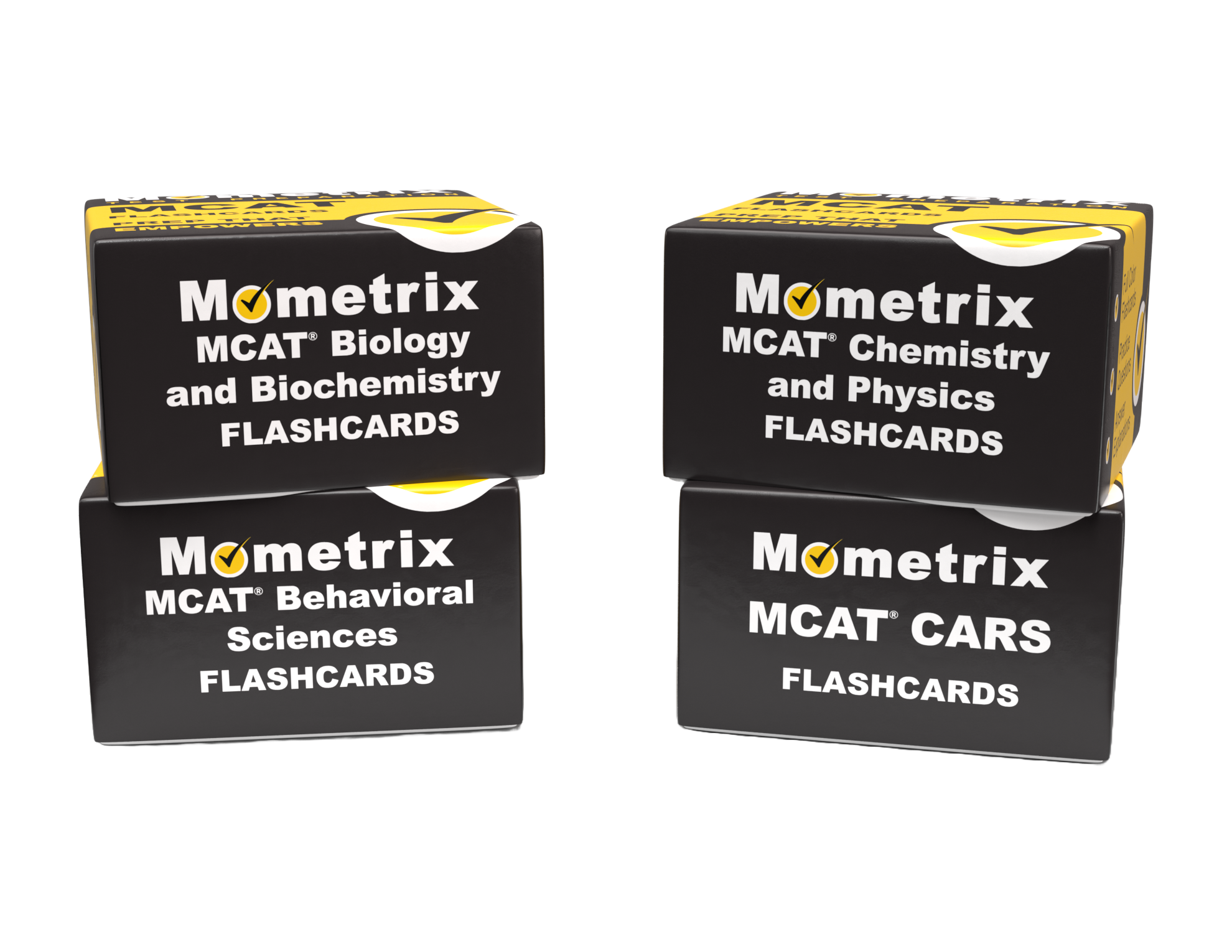
Check out Mometrix's MCAT Flashcards
Get complex subjects broken down into easily understandable concepts.
Think you aren’t a good test-taker? Maybe on a study-time crunch? Or just don’t know how to begin studying? Mometrix has designed a new Study Secrets course to help every student, no matter what study scenario you are in. Here’s what you’ll find in the Study Secrets Course:
Techniques to Conquer Procrastination
Steps to building a Study Plan custom to your learning style
7 Effective Note-Taking Methods
Test-Taking Tips
Memory Techniques and Mnemonics
And much more!
Everyone learns differently, so we’ve tailored our Study Secrets Course to ensure every learner has what they need to prepare for their upcoming exam or semester. Click below to check it out!
The Association of American Medical Colleges (AAMC) does offer financial assistance for candidates who can provide proof that the fee is too much of a financial burden.
Q
What is a passing score?
A
The MCAT does not technically have a passing score, and competitive scores vary by school and program.
Q
How long is the MCAT?
A
In total, you are given 7 hours and 33 minutes for the entire test, which includes multiple breaks.
Q
How many questions are on the MCAT?
A
There are 230 questions on the MCAT.
By Kate Nockunas
Kate has been Mometrix’s Nursing and Medical Editor for over four years. She has a bachelor’s degree in Communications from Vanderbilt University, a bachelor’s degree in Nursing from Marymount University, and a master’s degree in Education from Johns Hopkins. Kate is a critical care registered nurse who still works occasionally in the ICU and PACU.
Edited by Aaron Lanni
Aaron is the content manager and lead editor for Mometrix Academy. He regularly produces, updates, proofreads, and edits content to ensure it meets Mometrix’s quality and accessibility standards.


 8 Books Covering Every Topic
 3 Full-Length Practice Tests
 1,700+ Full-Color Pages
 150+ Online Video Tutorials
 Up-to-Date Information